读书《100 SQL Server Mistakes and How to Avoid Them》第二章 开发标准
Clyde Jin
02-27
81

第二章 开发标准


本章涵盖

  • 开发标准简介
  • 命名标准
  • 编码标准
  • 命名规范
  • 编码标准
  • 风格标准
  • 技术标准


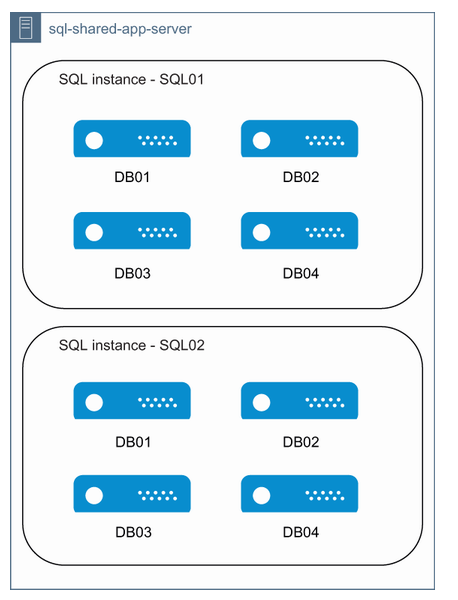
一个错误的服务器和DB命名例子


一个错误的存储过程例子


ALTER PROCEDURE dbo.proc01 AS BEGIN ;with t3 as (select col1, col2, col3 from tbl03) select t1.col1, t2.col2, t1.col2, t1.col3, t3.col1, t3.col2 from dbo.tbl01 t1 inner join tbl02 t2 on t1.col1 = t2.col1 and t1.col3 < 55 inner join t3 on t3.col1 = t1.col1 union select col1, col2, col3, NULL, NULL, '0' from dbo.tbl04 ; END


错误 1: 无描述性的对象名称

一个命名不规范的例子


不明晰的参数,一个函数名称


CREATE PROCEDURE sp_orders @CustomerID INT, @LineItems XML, @AddressID INT, @Address INT, @date DATETIME AS BEGIN DECLARE @Stock INT = 0 ; DECLARE @Product INT = 0 ;   INSERT INTO tbl_orders ( CustomerID, LineItems, BillingAddressID, DeliveryAddressID, Date ) VALUES ( @CustomerID, @LineItems, @AddressID, @Address, @date ) ;   SET @Stock = @LineItems.value(‘(/Product/@qty)[1]’, ‘int’) ; SET @Product = @LineItems.value(‘(/Product/@ProductID)[1]’, ‘int’) ;   EXEC sp_stockUpdate @product, @stock ;


修改后的函数例子:更新了参数名字, 使更具意义


CREATE PROCEDURE sp_stockUpdate @ProductStockLevel INT,               ① @StockID INT                          ① AS BEGIN UPDATE tbl_products SET StockQty = StockQty – @productStockLevel WHERE ProductID = @StockID ;   UPDATE [DCSVR01\Inventory].InventoryDB.dbo.productStock SET StockQty = StockQty – @productStockLevel WHERE ProductID = @StockID ; END


ALTER PROCEDURE sp_orders @CustomerID INT, @LineItems XML, @BillingAddressID INT, @DeliveryAddressID INT, @OrderDate DATETIME AS BEGIN DECLARE @OrderQty INT = 0 ; DECLARE @ProductID INT = 0 ;   INSERT INTO tbl_orders (CustomerID, LineItems, BillingAddressID, DeliveryAddressID, OrderDate) VALUES (@CustomerID, @LineItems, @BillingAddressID, @DeliveryAddressID, @OrderDate) ;   SET @OrderQty = @LineItems.value(‘(/Product/@OrderQty)[1]’, ‘int’) ; SET @ProductID = @LineItems.value(‘(/Product/@ProductID)[1]’, ‘int’) ;   EXEC sp_updateProductStockLevel @OrderQty, @ProductID ; END


更新后的函数名称

CREATE PROCEDURE sp_updateProductStockLevel @OrderQty INT,                         ① @ProductID INT                         ① AS BEGIN UPDATE tbl_products SET StockQty = StockQty – @OrderQty WHERE ProductID = @ProductID ; UPDATE [DCSVR01\Inventory].InventoryDB.dbo.productStock SET StockQty = StockQty – @OrderQty WHERE ProductID = @ProductID ; END


错误2: 使用对象前缀

有些开发人员喜欢使用对象前缀。对象前缀是指在所有表名开头加上 tbl,在存储过程名称开头加上 sp,在函数名称开头加上 fn,在视图名称开头加上 v。想象一下,你有一个包含 250 个表的数据库。你正在寻找某个表的列定义,因此你快速浏览对象资源管理器中的表列表。然而,所有表都有 tbl_ 前缀。这会在浏览时增加理解时间。


错误3: 令人畏惧的 sp_ 前缀

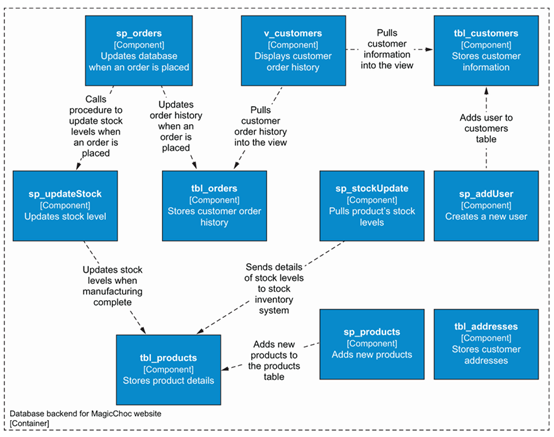
解释为什么 sp_ 前缀值得特别强调的最佳方式是通过一个例子。因此,我希望你考虑 SalesDB 中 sp_AddUser 存储过程的定义,该定义可以在下一个列表中找到。该过程在用户通过 MagicChoc 网站在线注册账户时,简单地将新用户添加到应用程序中。


CREATE PROCEDURE sp_addUser @UserDetails XML                                                         ① AS BEGIN   OPEN SYMMETRIC KEY MagicChocKey DECRYPTION BY CERTIFICATE MagicChocCertificate ;   INSERT INTO dbo.customers ( FirstName , LastName , email , UserPassword ) VALUES ( @UserDetails.value(‘(/User/FirstName)[1]’,’nvarchar(128)’)         ② , @UserDetails.value(‘(/User/LastName)[1]’,’nvarchar(128)’)          ② , @UserDetails.value(‘(/User/email)[1]’,’nvarchar(512)’)             ② , ENCRYPTBYKEY(KEY_GUID(‘MagicChocKey’), @UserDetails.value(‘(/User/ ② UserPassword)[1]’,’nvarchar(128)’))                                      ③ ) ;   CLOSE SYMMETRIC KEY MagicChocKey ; END


DECLARE @UserDetails XML ;                           ①   SET @UserDetails = N’                          ② Peter                     ② Carter                      ② [email protected]                  ② myPaSSw0rd          ② ‘ ;   EXEC sp_adduser @UserDetails ;                       ③  

执行时,会报错:

Msg 257, Level 16, State 3, Procedure sp_adduser, Line 0 [Batch Start Line 94] Implicit conversion from data type xml to nvarchar is not allowed. Use the CONVERT function to run this query.


嗯,这很奇怪!错误显示在存储过程的第 0 行,这意味着在传递 @UserDetails 变量时出现了错误。但并没有发生 NVARCHAR 到 XML 的转换。该变量的数据类型是 XML,而存储过程的参数也定义为 XML 数据类型。

那么到底发生了什么呢?让我们做个实验。我们尝试在不传入任何参数的情况下运行该存储过程,使用语句 EXEC sp_adduser。错误输出是

Msg 201, Level 16, State 4, Procedure sp_adduser, Line 0 [Batch Start Line 104] Procedure or function ‘sp_adduser’ expects parameter ‘@loginame’, which was not supplied.


现在我们遇到了一个不同的错误,但这更奇怪。它抱怨我们没有传递 @loginname 参数。但是我们的存储过程并没有 @loginname 参数。几乎就像我们在执行错误的存储过程一样。我们需要彻底弄清楚这个问题。为此,让我们运行清单 下面的查询,该查询返回来自 sys.all_objects 目录视图的结果。这个对象提供了用户对象和系统对象的并集。


SELECT name , SCHEMA_NAME(schema_id) AS SchemaName               ① , type_desc , is_ms_shipped FROM sys.all_objects WHERE name = ‘sp_adduser’ ;

此查询的结果是

name          SchemaName     type_desc               is_ms_shipped

sp_adduser    dbo            SQL_STORED_PROCEDURE    0

sp_adduser    sys            SQL_STORED_PROCEDURE    1


结果显示,有两个具有相同名称的存储过程。

第一个结果是我们的存储过程。我们可以通过它位于 dbo 架构中且 is_ms_shipped 标志为 false 来判断。

第二个结果是同名的系统存储过程。我们可以通过它位于 sys 架构中且 is_ms_shipped 标志为 true 来判断它是系统存储过程。

提示:is_ms_shipped 标志表示该对象是由 SQL Server 内部创建的。

系统存储过程存储在一个名为 resource 的“隐藏”只读数据库中,该数据库保存所有系统对象。然而,这些对象似乎出现在所有数据库中,这意味着它们可以很容易地从所有数据库中访问。所有系统存储过程都有 sp_ 前缀,这个前缀应专门用于系统存储过程。

当你执行带有 sp_ 前缀的存储过程时,SQL Server 会首先在 master 数据库中查找该存储过程。只有当在 master 数据库中未找到时,才会尝试在执行该存储过程的本地数据库中查找。


错误4:没有为编码标准腾出时间

想象一下,你在一个由10名开发人员组成的团队中,正在开发一个大型数据层应用程序。你们都是有经验的开发人员,而且有一个紧迫的截止日期需要完成。直接开始写代码可能很诱人。毕竟,你们都已经干过很多类似的项目。你们都知道代码应该用四个空格缩进,对吧?等等!究竟是四个空格还是一个制表符呢?

在两个开发者之间最快引发争论的方式就是讨论编码规范。每个人都有自己遵循的标准,并且每个人都认为自己的标准是最好的。如果我们有一个统一的标准,那么并不是每个人都会同意,但即使它不完美,一致性也意味着它比完全没有标准要好。

根据项目的规模和复杂性,编码标准在其全面性方面可能会有所不同。然而,它们将涵盖风格选择和技术考虑。

与技术标准不同,关于风格标准的一个简单事实是,只要你有标准并在整个项目中一致实施,标准具体内容实际上并不重要。

编码标准就是架构发挥作用的地方。在错误1# 中我们讨论了在 SQL Server 项目中制定架构的必要性,以确保数据库模式得到最佳设计并具有高性能。我们还提到,这种架构应考虑命名规范。架构的另一个方面是确保有一套编码标准供人们遵循。


风格选择可能包括以下元素,例如:

  • 代码缩进使用四个空格还是制表符?
  • 所有语句是否都应以分号结尾?
  • 在列出列名时,逗号分隔符应该放在行末还是下一行的开头?
  • ON 子句是否应与 JOIN 子句写在同一行?
  • SQL Server 关键字是否都应大写?
  • 使用驼峰命名法还是帕斯卡命名法?


技术标准可能包括以下内容:

  • 不要使用游标。
  • 尽可能使用 UNION ALL 而不是 UNION。
  • 不要在 SELECT 列表中使用 *。
  • 不要使用 NOLOCK。
  • 避免使用 DISTINCT。


错误5:使用序数列位置

SQL Server 支持在 ORDER BY 子句中使用序号列。这意味着,你可以不按照列名排序,而是按照其在 SELECT 子句中的序号位置进行排序。例如,考虑下列清单中的查询。

SELECT * FROM SYS.databases ORDER BY 54 ;

那么我们按哪一列对查询进行了排序呢?答案是 log_reuse_wait_desc 列,但确定这一点的唯一方法是要么数结果集中的列直到第 54 列,要么运行清单 2.16 中的查询,该查询从目录视图中保存的元数据中提取列名。

SELECT c.name FROM SYS.all_columns c INNER JOIN SYS.all_objects o ON o.object_id = c.object_id WHERE o.name = ‘databases’ AND c.column_id = 54 ;


避免使用序号列位置的另一个好理由是,当底层表被修改时,序号列位置并不稳定。例如,如果表中的第二列被删除,那么所有引用第3列及之后列的查询都需要更新,因为序号位置已经发生了变化。


总结:

  • 始终使用有意义的对象名称,以便让你的代码具有自我说明性。
  • 始终考虑数据库架构,即使在敏捷项目中也是如此。
  • 避免为数据库对象使用前缀,因为这实际上可能会使对象更难找到。
  • 尤其要小心避免为存储过程使用 sp_ 前缀,因为这表示它们是系统存储过程,而不是用户定义的存储过程。
  • 始终抽出时间确保你的数据层应用程序具有编码标准。这些标准应成为你架构工作的一部分,并应考虑样式选择以及技术标准。
  • 除非你喜欢排查问题,否则避免按序号列排序!

Star
Donate
读书《100 SQL Server Mistakes and How to Avoid Them》第一章
Previous
读书《100 SQL Server Mistakes and How to Avoid Them》第三章 数据类型
Next

Leave a comment

Registration is not required

Clyde Jin
303 Articles
0 Comments
0 Like
Recent Posts

HiddenMerit Daily · Issue 60

📊 HiddenMerit Daily · Issue 60 Focus on Database Frontiers, Practical Insights for DBAs July 22, 2026 | 5 Selected Global Breaking News 01|Oracle Releases Largest Quarterly Patch in History: 1,449 Patches Fix 1,235 CVEs, 261 Critical On July 21, Oracle released its July 2026 Critical Patch Update (CPU), setting a record for the largest single patch release in the company’s history. This CPU contains 1,449 security patches fixing 1,235 independent CVEs across 32 Oracle product families, of which 261 patches are rated Critical. Patch Distribution by Product Family: Product Family Patches Remotely Exploitable Without Authentication Oracle E‑Business Suite 410 45 Oracle Fusion Middleware 355 219 Oracle Communications 168 122 Oracle MySQL 54 9 Oracle Database Server 15 6 Context for This Patch: Oracle had already issued an urgent “Prepare Now” warning a week earlier, emphasising that AI is fundamentally lowering the barrier to discovering and exploiting vulnerabilities – frontier AI models can analyse software changes, reverse‑engineer security patches, and develop attack paths at unprecedented speed. Oracle has collaborated with state‑of‑the‑art models from Anthropic and OpenAI to proactively identify and fix potential security vulnerabilities. Oracle strongly recommends that customers immediately test and deploy this update in their monthly patch cycles. […]

HiddenMerit Daily · Issue 59

📊 HiddenMerit Daily · Issue 59 Focus on Database Frontiers, Practical Insights for DBAs July 21, 2026 | 5 Selected Global Breaking News 01|Oracle Issues Urgent Warning: July 21 Release Update to Fix Large Number of High‑Risk Vulnerabilities, Immediate Deployment Recommended On July 13, Oracle issued an urgent security warning, strongly recommending that all customers running supported Oracle Database versions (including Oracle Database 19c and Oracle AI Database 26ai) immediately test and deploy the Release Update (RU) after its release on July 21. Background: New frontier AI models are significantly lowering the barrier to discovering and exploiting software vulnerabilities – these models can identify weaknesses, analyse software changes, reverse‑engineer security patches, and develop potential attack paths at unprecedented speed and scale. AI models are also becoming increasingly adept at combining multiple weaknesses across the application and data stack into complex attacks, even when individual weaknesses do not themselves pose a serious risk. As a result, protecting systems solely at the network or application layer is no longer sufficient; enterprises must protect the entire technology stack. Fixes Included in This RU: Oracle has collaborated with state‑of‑the‑art models from Anthropic and OpenAI to proactively identify and fix potential security vulnerabilities. The upcoming […]

HiddenMerit Daily · Issue 58

📊 HiddenMerit Daily · Issue 58 Focus on Database Frontiers, Practical Insights for DBAs July 20, 2026 | 5 Selected Global Breaking News 01|CAICT: Domestic Databases Enter Core System “Deep Water,” AI‑Native Leads New Industry Landscape On July 9, at the 2026 Trustworthy Database Development Conference, CAICT released the “Database Development Research Report (2026).” The report notes that domestic databases have basically completed peripheral system replacement and have officially entered the critical business system breakthrough phase. Key Data: The global database market reached $131.6 billion in 2025 (approximately RMB 894.09 billion). The Chinese database market reached $9.49 billion in 2025 (approximately RMB 64.48 billion), and is expected to reach RMB 97.974 billion by 2028, with a CAGR of 13.06%. The number of domestic database vendors has shrunk from a peak of 167 to 94, with a clear head‑concentration effect and an intensifying “Matthew effect.” AI‑Native Becomes the Main Theme: The report points out that database technology is accelerating its evolution toward the AI‑native direction, and the global database industry is entering a new phase of landscape restructuring. The role of databases is upgrading from “underlying support systems” to “core engines enabling intelligent decision‑making and business innovation.” AI agents are becoming […]

HiddenMerit Daily · Issue 56

📊 HiddenMerit Daily · Issue 56 Focus on Database Frontiers, Practical Insights for DBAs July 6, 2026 | 5 Selected Global Breaking News 01|Kingware Releases Manufacturing Scenario Database Evolution White Paper: SQL Server Replacement Enters “Deep Water” On July 5, CETC Kingware published a technical article titled “Database Evolution in Manufacturing Scenarios: How Kingware Replaces SQL Server,” pointing out that the data surge on industrial shop floors has exceeded the processing capacity of single‑node systems. Traditional database architectures that rely on vertical scaling are facing unprecedented performance challenges. Over the next 1‑3 years, manufacturing enterprises will no longer face only the “choice of replacement,” but must answer the strategic question: “How do we build an autonomous data foundation in the context of de‑IOE?” Three Paradigm Shifts: Hybrid Workloads Become the Norm: The IT architecture of modern factories is shifting from separated OLTP and OLAP to HTAP mode. The same data system must simultaneously handle tens of thousands of device instruction writes per second and minute‑level production report analysis. Distributed Architecture Becomes a Hard Requirement: When a single table exceeds 100 million rows with daily increments exceeding 1 million rows, the index maintenance cost of traditional single‑node databases rises exponentially. Autonomous […]
生成中...
扫描二维码
扫描二维码